 By Melissa Albert, Relocation Specialist
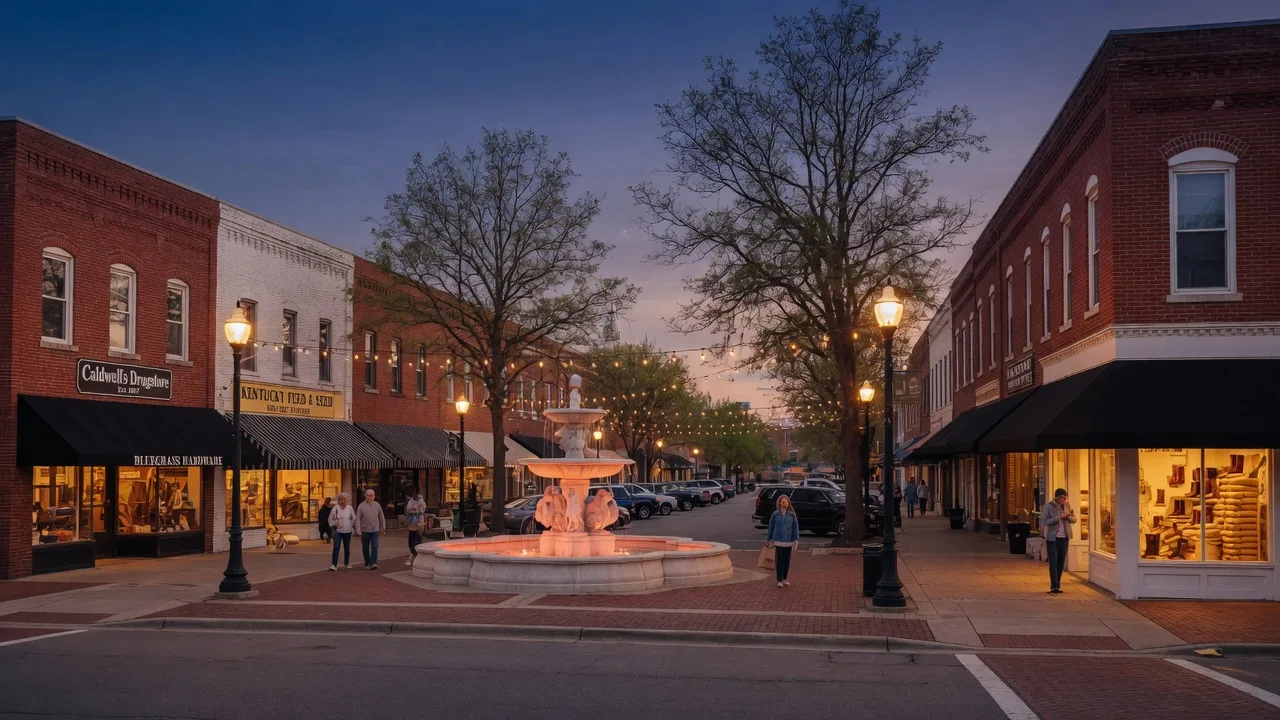
Why people keep moving to Bowling Green
The region is one of the fastest growing in the state, and the reasons are consistent: housing at a fraction of coastal prices, a flat 4% state income tax, no tax on Social Security, two major hospitals, Western Kentucky University and the GM Corvette plant anchoring the economy.
Location is the multiplier. I-65 puts Nashville an hour away, Louisville about 90 minutes north, and Mammoth Cave 35 minutes out, so a small city reads like a hub without the price of one.
What it costs to live here
Overall costs run about 6-11% below the U.S. average, with housing about 28% below it. The August 2026 median sold price in Warren County is $302,495 (Paragon MLS), and the tax side is famously friendly: property taxes usually land under 1% of a home's value, and the state income tax is a flat 4% with no Social Security tax.
The honest con is incomes: they run below the national line, so run your own monthly math before you romanticize the price tags. For most relocating households, the housing line alone changes the spreadsheet.
Where newcomers actually land
In the city, College Hill brings historic walkability, the south side brings established neighborhoods near strong schools, and Plano with Rich Pond carry the new construction. In the county, Alvatn offers acreage, Franklin owns the Nashville commute, and Glasgow and Scottsville hold the lowest prices.
Each area suits a different commute, school district and home style. The community guides and the Find Your Kentucky quiz walk the same choices in detail.
The process for out-of-state buyers
Most clients sign from out of state: research here, tour on video, fly in for one weekend, and close with a Kentucky attorney, inspector and lender on the team.
Nothing about moving to Bowling Green requires living here first. It requires a local team, and that is the whole reason this guide and the Living in Kentucky Team channel exist.
The honest trade-offs
The cons are the same ones this guide repeats everywhere: incomes below the national average, hot humid summers, tornado season, thin transit and a small-city pace where most things close early.
Read both lists, visit in July, and then decide. The newcomers who last are the ones who read the honest version first.
Written where it happened
Questions like these are what Melissa answers daily for relocating families. If this post matches yours, send it her way and get the personal version.