 By Melissa Albert, Relocation Specialist with the Living in Kentucky Team, brokered by eXp Realty
The honest cons, on film
This article answers the safety question head on. The video below is the cons half, straight from Melissa: ten reasons people hesitate on Bowling Green, including the severe-weather question, with the context behind each one.
The short answer, honestly
Bowling Green is a safe city to live in, with one real asterisk: the crime picture splits by type. Violent crime runs below the national average, while property crime runs above it. And yes, the area sits in a severe-weather zone, so tornado awareness is part of life here.
Neither of those should scare anyone off, and neither should be waved away. The honest version is that this is a normal, growing small American city where the risks that matter are the preventable ones: theft from cars, unsecured belongings, and a plan for severe weather.
What the crime numbers actually say
The most recent city totals come from the Bowling Green Police Department's 2025 annual numbers, released in January 2026. Across a city of roughly 72,000 people, the department reported 3 homicides, 24 robberies, 214 burglaries, 157 stolen cars, 162 thefts from vehicles, 103 credit card fraud reports and 76 identity theft reports, while officials pointed to an overall downward trend in calls for service.
Compare the rates and the pattern is clear. Bowling Green's total crime rate ran close to 49 percent above the national average, but almost all of that gap is property crime. The city's violent crime rate of about 224 per 100,000 residents sits below the national average of about 359, while property crime runs above the national line. Warren County as a whole is rated safer than roughly 70 percent of U.S. counties.
Quick facts
- Violent crime in Bowling Green runs below the U.S. average.
- Property crime runs above the national average, led by theft from vehicles.
- Warren County is rated safer than about 70 percent of U.S. counties.
- The city's 2025 total showed an overall downward trend in calls for service.
Why property crime skews the whole picture
Bowling Green is a college town, with Western Kentucky University's roughly 20,000 students plus a steady stream of visitors for the Corvette plant, motorsports park and festivals. That many people means busy parking lots, and parking lots are where theft from vehicles happens.
The practical takeaway is simple and genuinely effective: lock your car, keep valuables out of sight or out of the car entirely, and never leave a running vehicle unattended. Those habits eliminate most of the risk that shows up in the city's numbers, which is why most locals never think twice about it.
How safe are the actual neighborhoods?
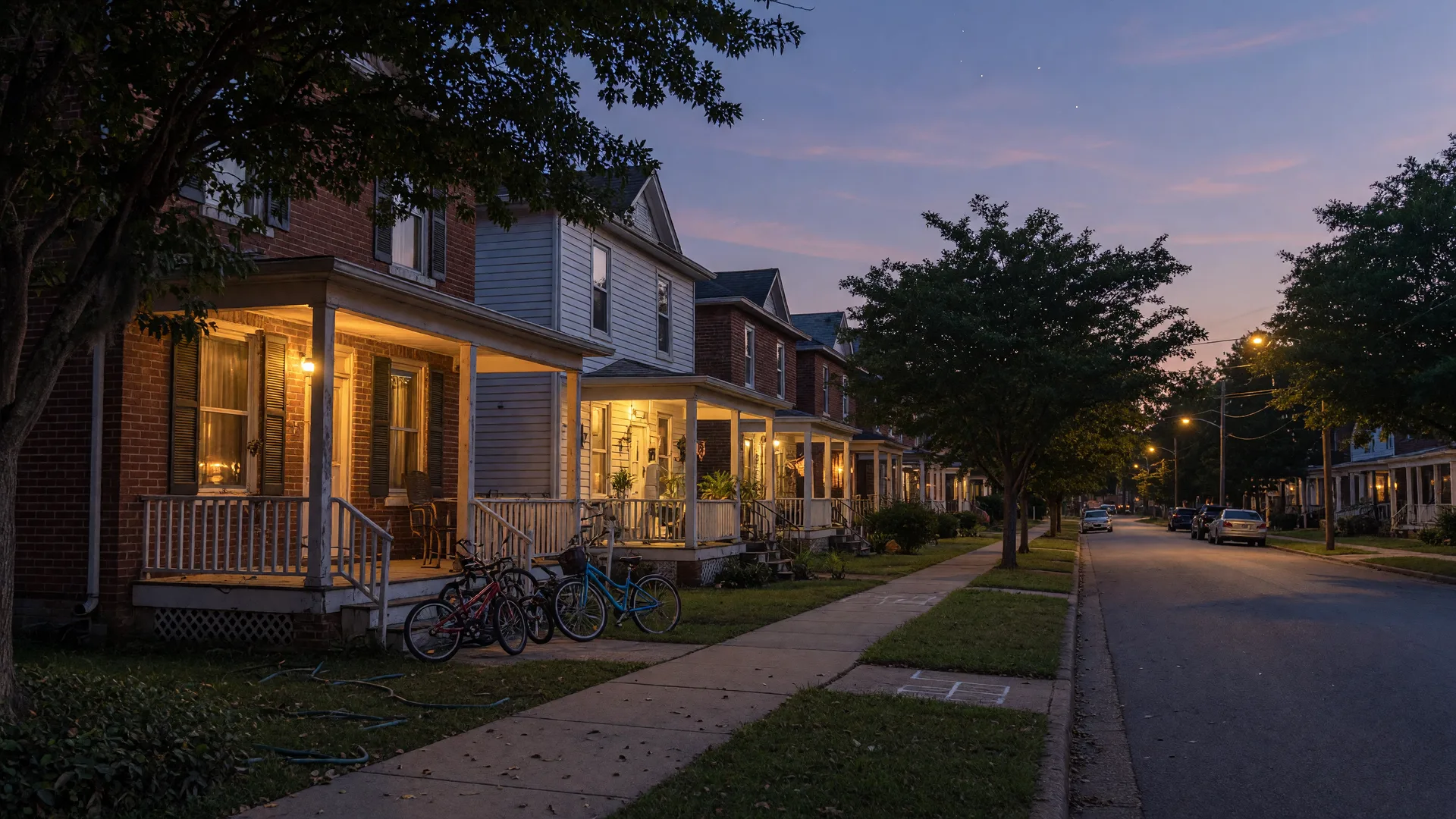
Neighborhood-level safety is what most buyers care about, and the honest answer is that the residential streets are quiet. The city's established neighborhoods, the newer subdivisions in Plano and Rich Pond, and the small towns around Warren County all carry the calm, porch-light character newcomers expect.
Reports tend to cluster around commercial corridors, apartment-heavy areas near campus and the shopping district, which is the normal pattern for a growing small city. For the street-level view of where each area fits, the neighborhoods guide and the community guides break it down by who actually lives there.
The tornado question, taken seriously
Bowling Green sits in Dixie Alley, and yes, severe weather is real here. The December 2021 tornado that tore through the city is the reference point every local remembers, and it is exactly why residents take alerts seriously rather than shrug.
The mitigation is genuinely effective. The region has a strong warning network with NOAA weather radios, phone alerts and local sirens, and many homes have a basement or an interior safe room. The honest habit is knowing your safe spot before the sirens sound, and if a basement matters to you, say so, it is a filter we can search on. The full year-round weather picture, including the storm season, is in our weather guide.
The honest bottom line
Most newcomers who move here report feeling safe walking their neighborhoods, and the data agrees: violent crime sits below the national norm. The things to actually manage are the everyday ones, secure your car, have a severe-weather plan, and pick a neighborhood that matches how you want to live.
Safety deserves an honest answer, not a sales pitch. This is that answer: a normal, welcoming, growing city where the risks are known, the numbers are public, and the habits that keep you safe are simple.
Crime figures come from the Bowling Green Police Department's 2025 annual totals (reported January 2026) and 2024 comparison rates from HomeSnacks and CrimeGrade; severe-weather context comes from National Weather Service history and long-term climate data. Rates vary by year and source, so treat them as the shape of the picture rather than a single fixed number.
Want the personal version of this answer?
Every neighborhood question is better answered with your actual situation in hand. Book a call at calendly.com/livinginkentucky, call (270) 743-9975, or email hello@livinginkentuckyteam.com.
Ask for the neighborhood safety shortlist: the quiet streets, the basement-hunting filter and the areas that match the pace of life you want.
Written where it happened
Questions like these are what Melissa answers daily for relocating families. If this post matches yours, send it her way and get the personal version.